My Story
I've spent my career studying systems — first in family restaurants learning operational efficiency under constraints, then in clinical psychology research exploring human systems and burnout, and now building operational infrastructure for growing companies.
Where It Started: Growing up working in family restaurants, I saw how small inefficiencies compound — how a 2% variance in food cost could make or break a month. I learned early that good operations aren't theoretical. If a system doesn't work under real-world pressure, it doesn't work at all.
The Evolution: I studied Biopsychology at UC Santa Barbara, fascinated by how biological systems self-organize and adapt to stress. After UCSB, I dove into mental health research. I wanted to understand human systems — why people burn out and what actually creates change. But I realized that healthcare professionals weren't burning out because they lacked coping skills. They were burning out because the operational systems—EMRs, scheduling, admin burden—were completely broken.
What I Do Now: Today, I design operational infrastructure for growing companies. I build architectures, automation workflows, and data models that get stronger under load. I take my inspiration from nature: elegant, efficient, and deeply resilient. My goal is to build systems that absorb complexity so humans are freed up to do meaningful work.
What I'm Building
Opkaido
Operations architecture for founder-led companies. I design systems that strengthen as they grow - inspired by how biological systems handle complexity without breaking.
Healing Breaths
Supporting evidence-based breathing interventions through the Art of Living Foundation, a global humanitarian organization. My work involved building the healthcare team, bridging my clinical research background with real-world burnout prevention.
Family Business
Managing operations, marketing, and the pulse of our family's portfolio. Blending storytelling, community building, and efficient systems across multiple locations.
Present Productivity
A blog and journal focusing on meditative practices and their intersection with productivity. Exploring how mindfulness and presence can help build better systems and reduce friction.
My Ideas, Writings, & Research
Photos I Love
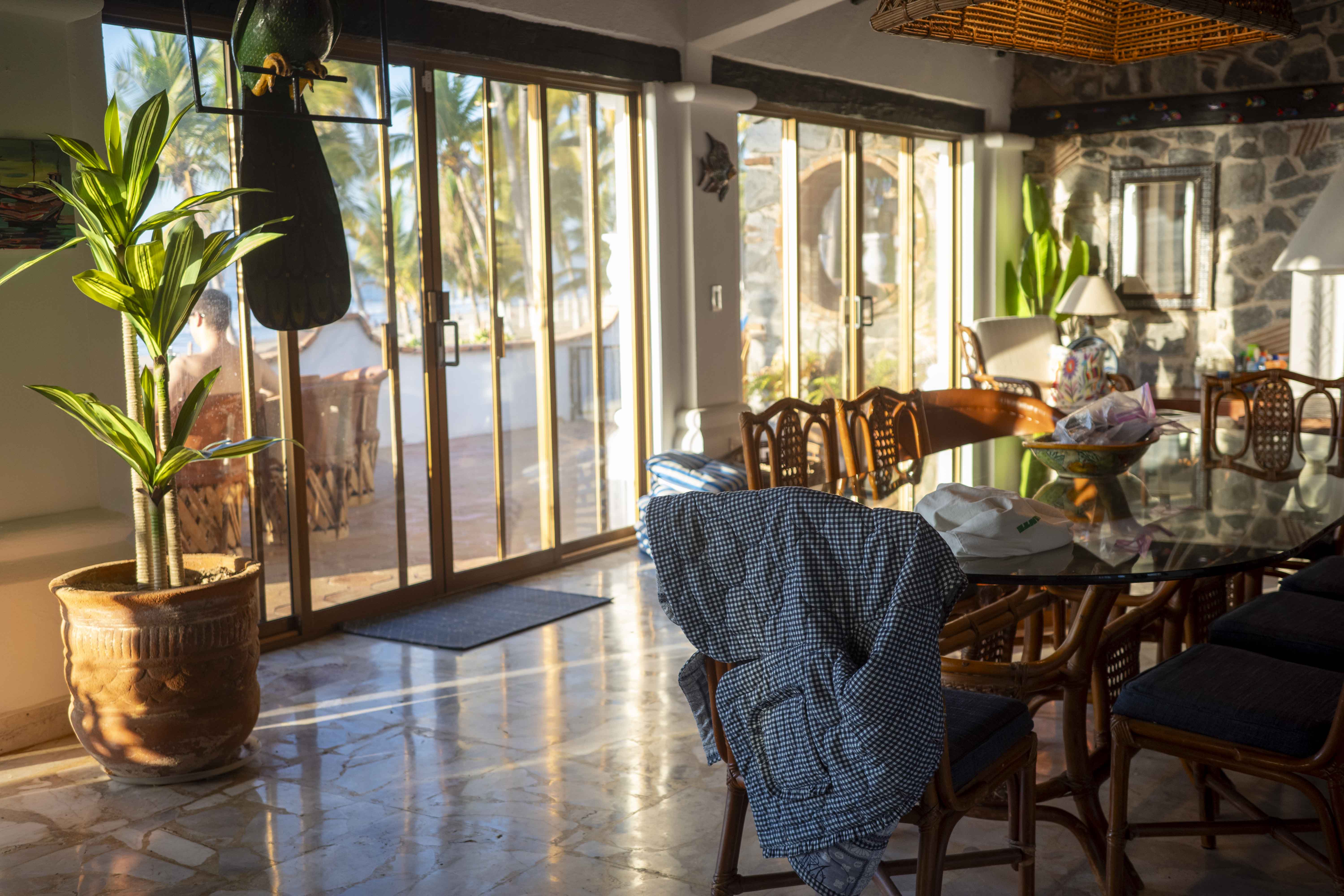
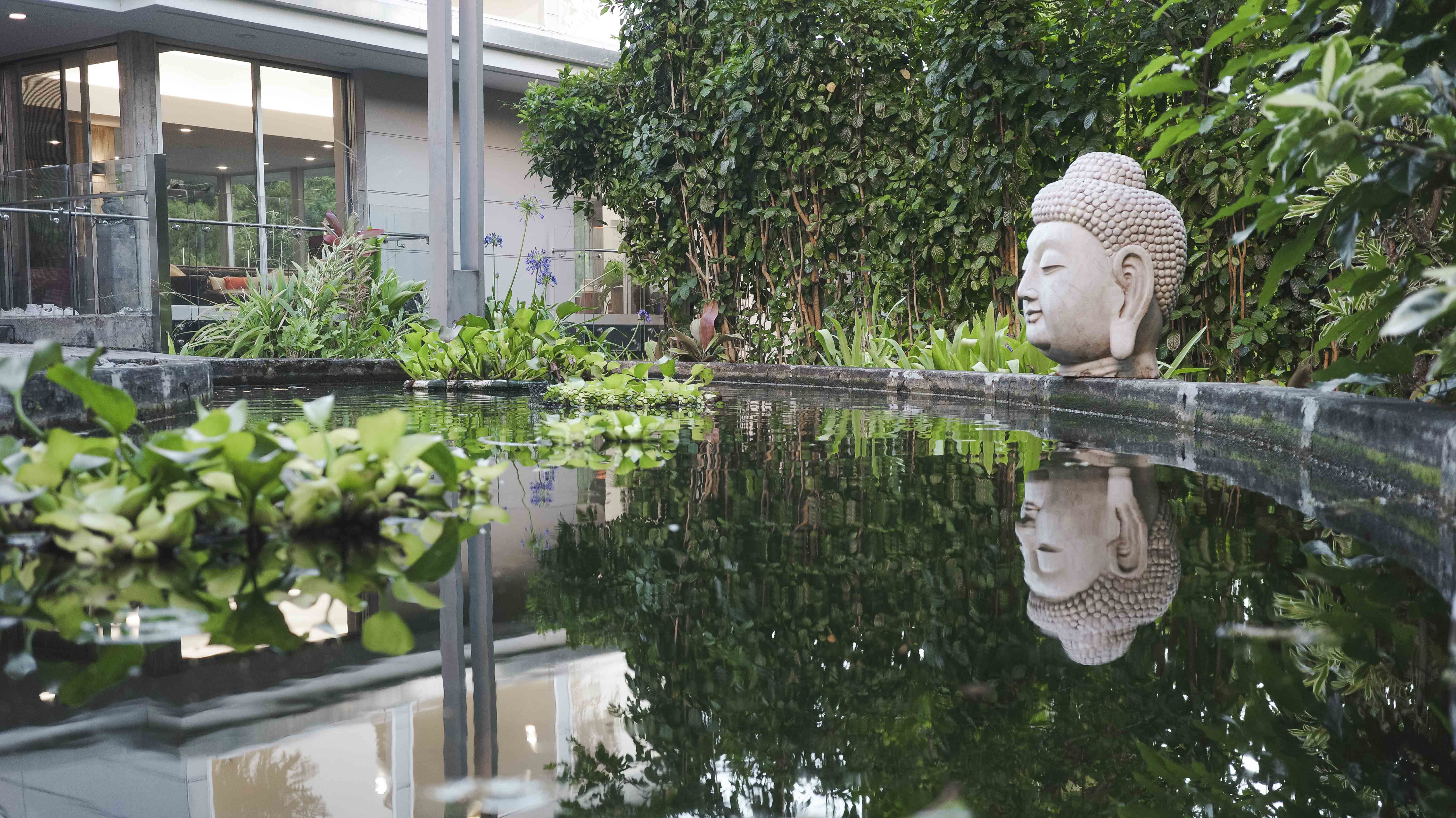
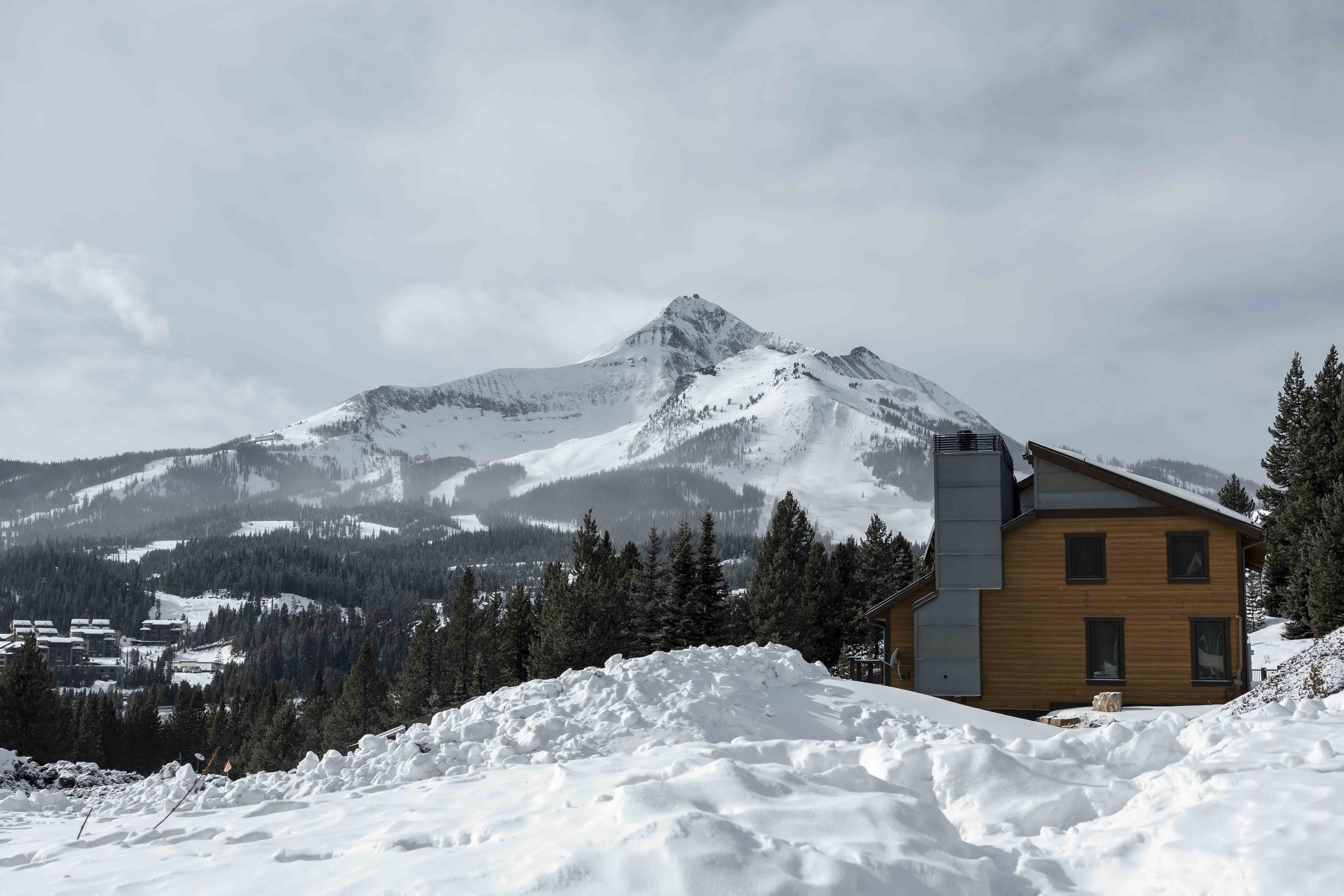
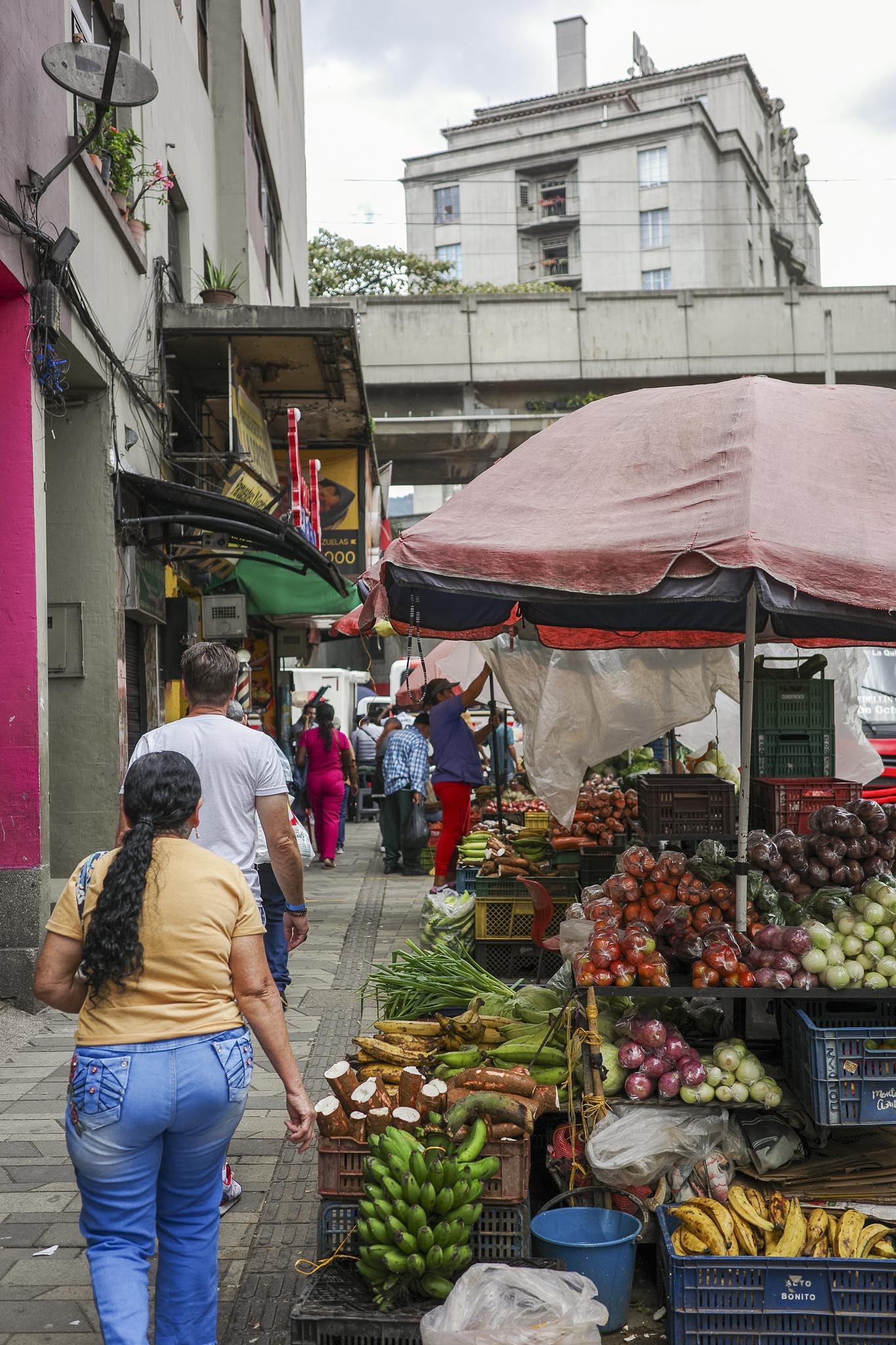
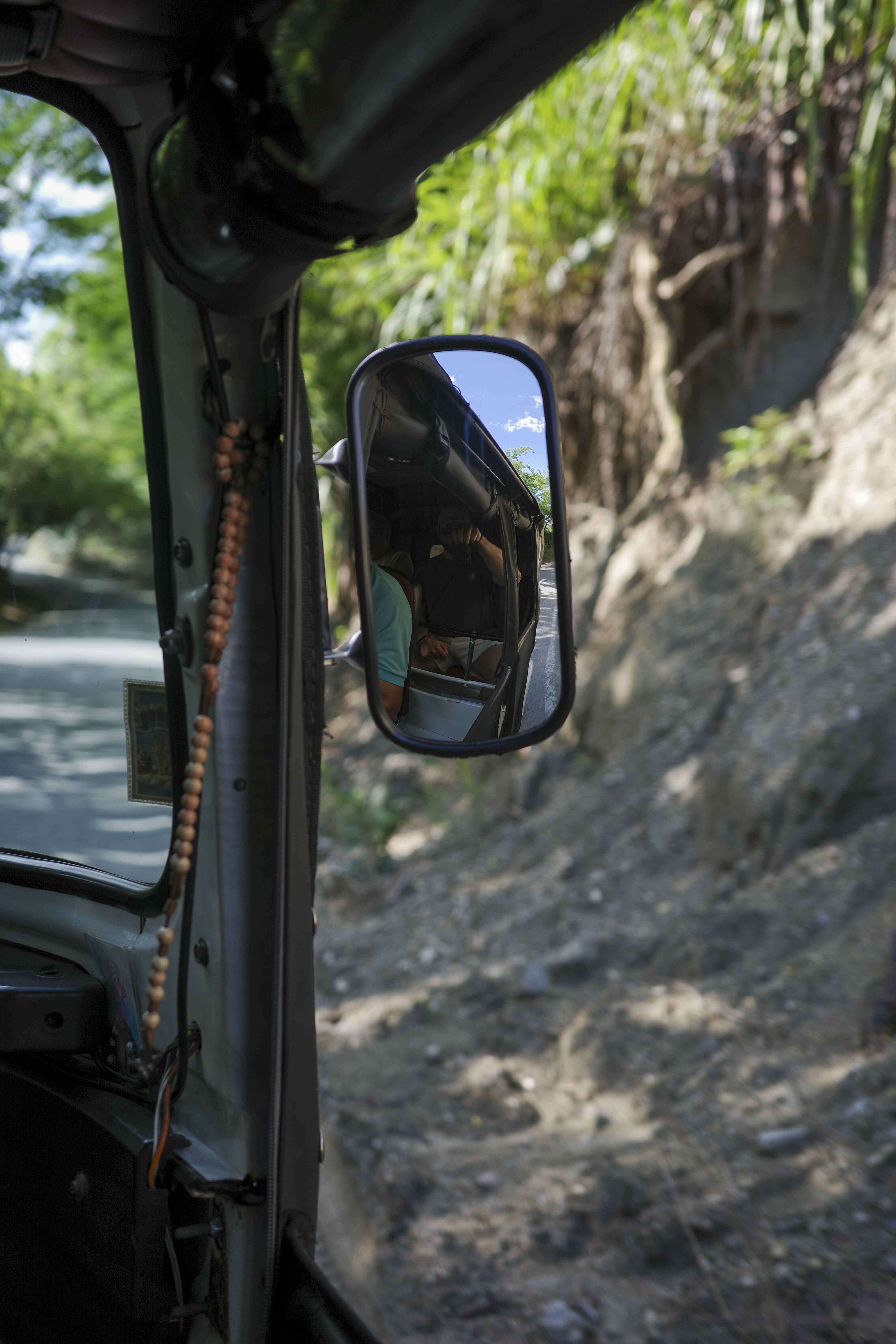
A small collection of moments, geometry, and light. An exploration of systems and expression through a lens.